Project-defined interfaces
Start by identifying the protocols and data available on the equipment. The selected adapters determine which readings, configurations and commands the connection can support.

HARDWARE / CAPTURE WHAT MATTERS
Hardware for the conditions in the field.
Interfaces, power, coverage and installation conditions determine how equipment can connect. ARA combines hardware and firmware development with an assessment of the installed base to define that connection.
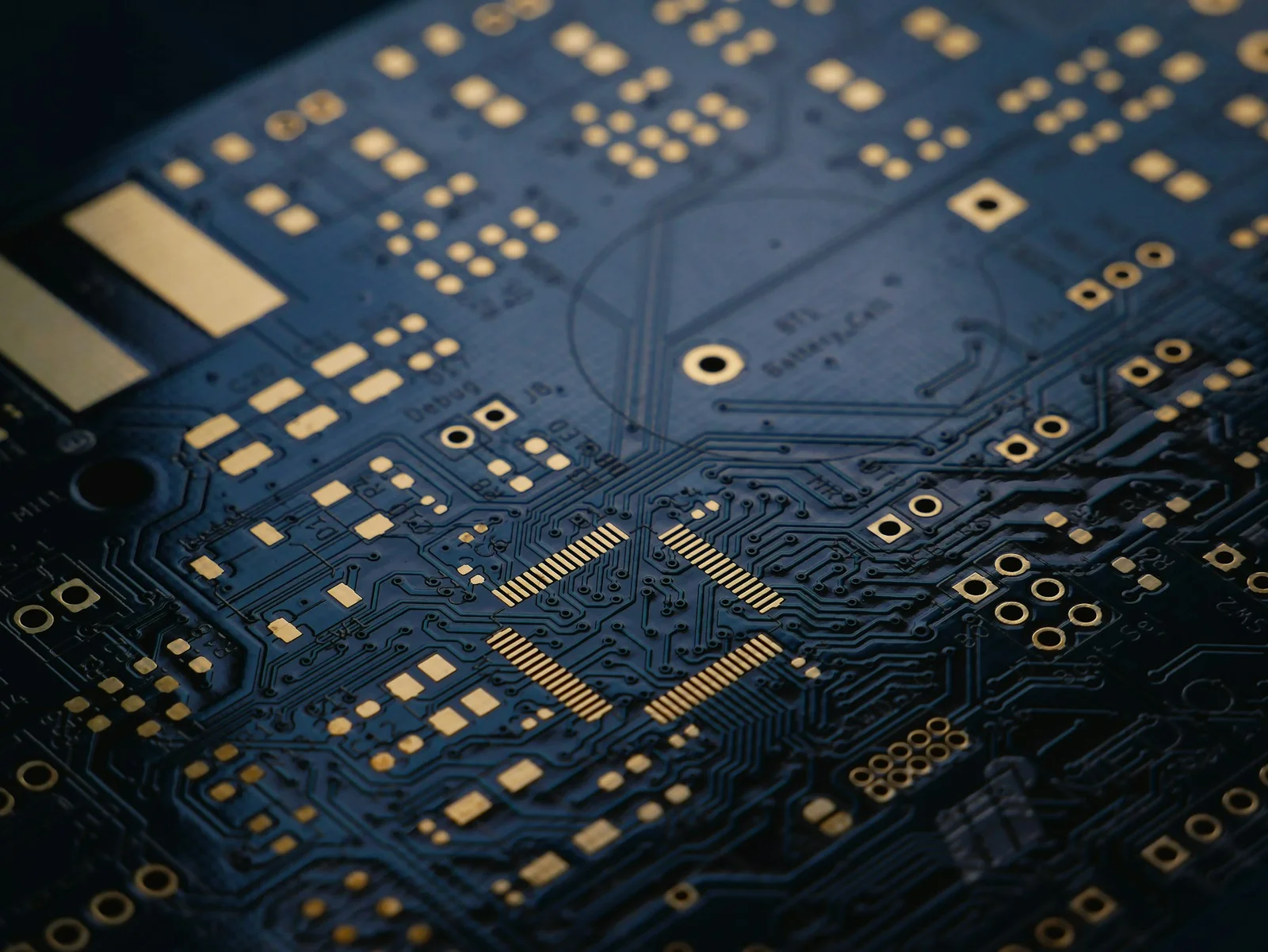
The industrial gateway connects local equipment to HES Enterprise. It serves installations where data is spread across different interfaces and needs to reach the platform with the correct asset identity.
Start by identifying the protocols and data available on the equipment. The selected adapters determine which readings, configurations and commands the connection can support.
Gateway and connected-device status help separate a communication problem from the behavior of the asset itself. That distinction guides where an investigation begins.
Arduino Portenta X8 and Max Carrier form the current evaluation platform. The ARA solution is in development; interfaces, assembly and operating conditions are validated for each project.
Before adding devices, establish which information the current equipment already provides. Integration can combine installed equipment with complementary components where compatibility allows.
Temperature, humidity and pressure require different choices of range, accuracy and installation. Select sensors around the quantity to be measured and the environment where they will operate.
Third-party readers, identifiers and trackers can provide position or movement data. Integration must preserve the relationship between each reading and the asset it describes.
Examine interfaces, documentation and access to data on existing equipment. This assessment establishes what can be integrated and where a new gateway or device is needed.
FROM REQUIREMENTS TO CONNECTION
Available interfaces, power, installation conditions and network coverage shape the choice. Share those conditions so we can discuss an appropriate integration approach.