Continuity between shifts
An incident may continue beyond a shift change. Linking readings and events to the machine and time allows the next team to resume the investigation from a shared reference.
USE CASES / REMOTE OPERATIONS
A factory, a farm and a toll road rely on connected equipment for different reasons. Explore situations where field data and remote management can support the team’s work. Each application is defined around the devices, compatibility and agreed project scope.
On a production line, equipment needs to be understood in the context of its role, shift and installed product version. That context gives support a useful starting point for an investigation.
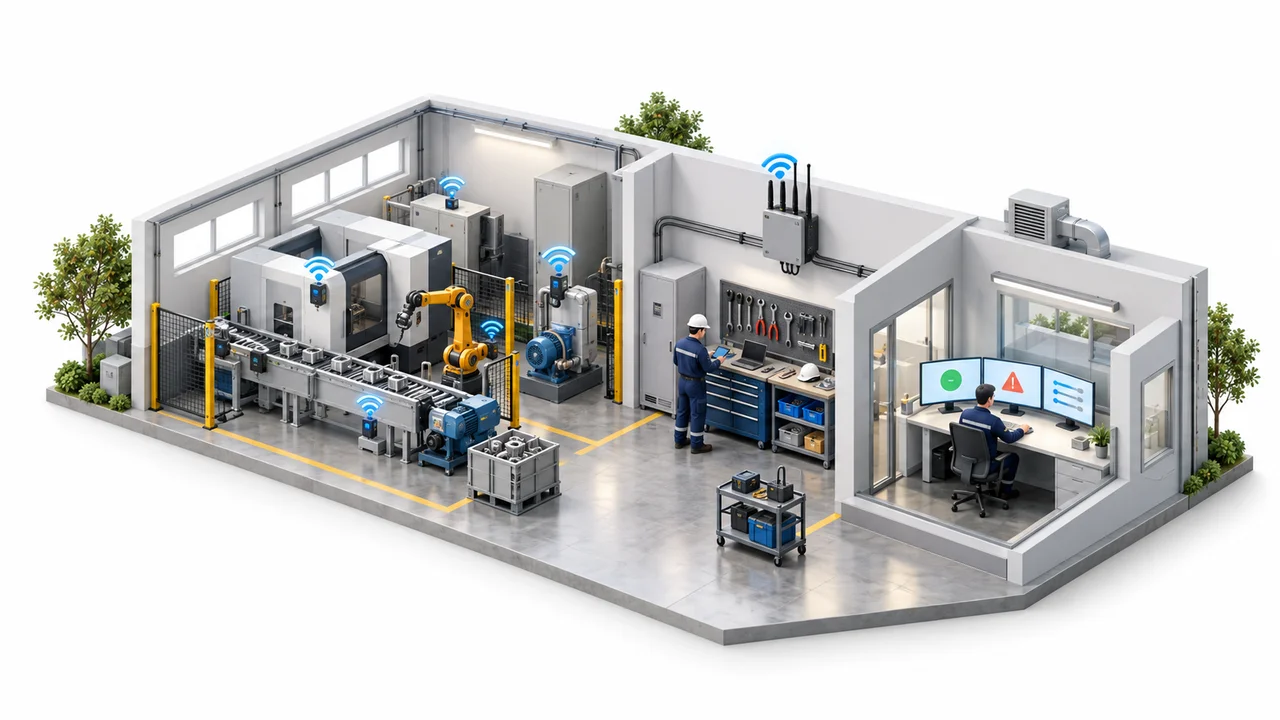
An incident may continue beyond a shift change. Linking readings and events to the machine and time allows the next team to resume the investigation from a shared reference.
Similar machines may report different parameters. Comparing them helps identify deviations from the expected configuration before the team decides on an authorised correction.
For manufacturers, the installed base includes different models and versions. Understanding its composition helps select equipment eligible for a software improvement and follow its delivery.
A comfort complaint does not always reveal its cause. The relationship between a room, its sensors and the communication infrastructure helps building maintenance narrow down the problem.
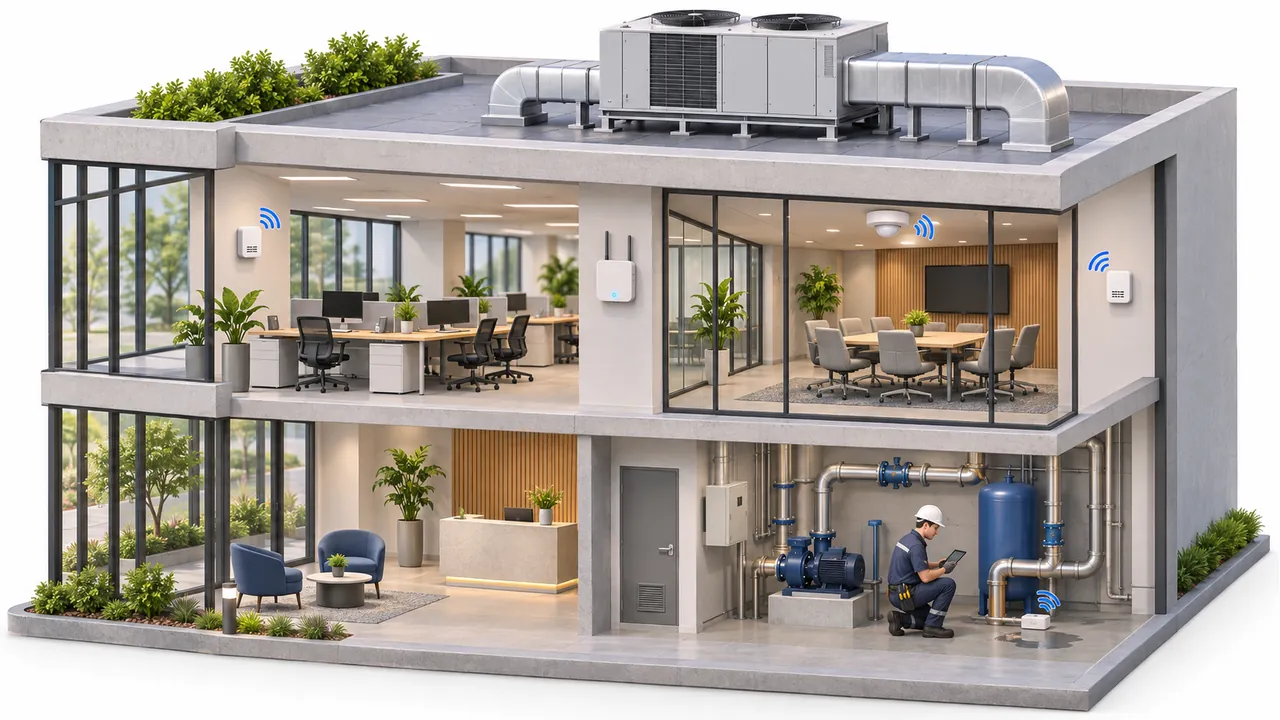
Temperature, humidity and occupancy become more useful when linked to a floor and the area served. The team can compare a complaint with the conditions recorded at the time.
When several sensors stop communicating, the cause may lie in a shared connection. Knowing their gateway relationships helps focus checks on the relevant infrastructure.
Asset identity, the affected area and recent readings give substance to a maintenance request. The team arrives knowing what was observed and what still needs checking.
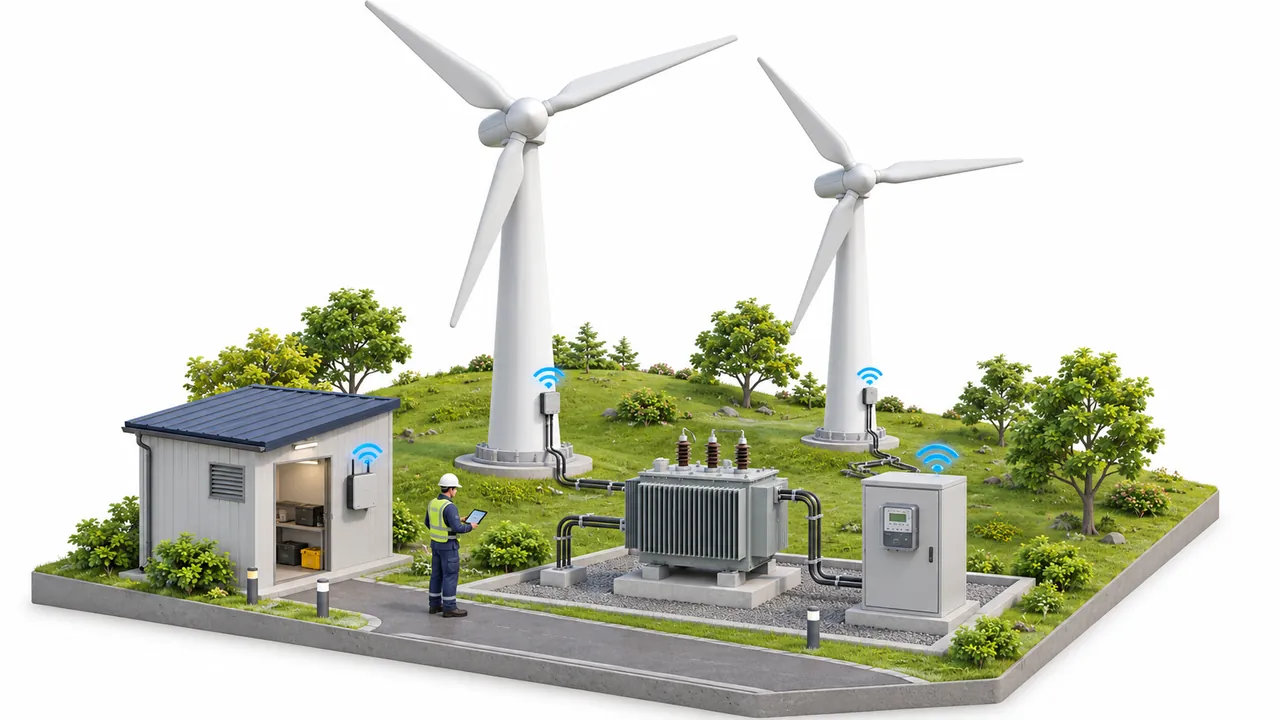
At generation and metering sites, a missing reading deserves investigation. Separating equipment behaviour from communication quality guides the first checks.
A reading received now may describe an earlier condition. Checking its measurement time and available history avoids treating delayed information as a current observation.
At a wind farm, the relationship between turbines, meters and gateways helps define the area affected by an interruption and identify components still sending information.
Gateway maintenance needs to consider site and team availability. Tasks can be scheduled around the windows agreed with the energy operation.
Distance, network coverage and seasonal work shape how a farm is monitored. Data needs to retain its plot, time and source context to support agricultural work.
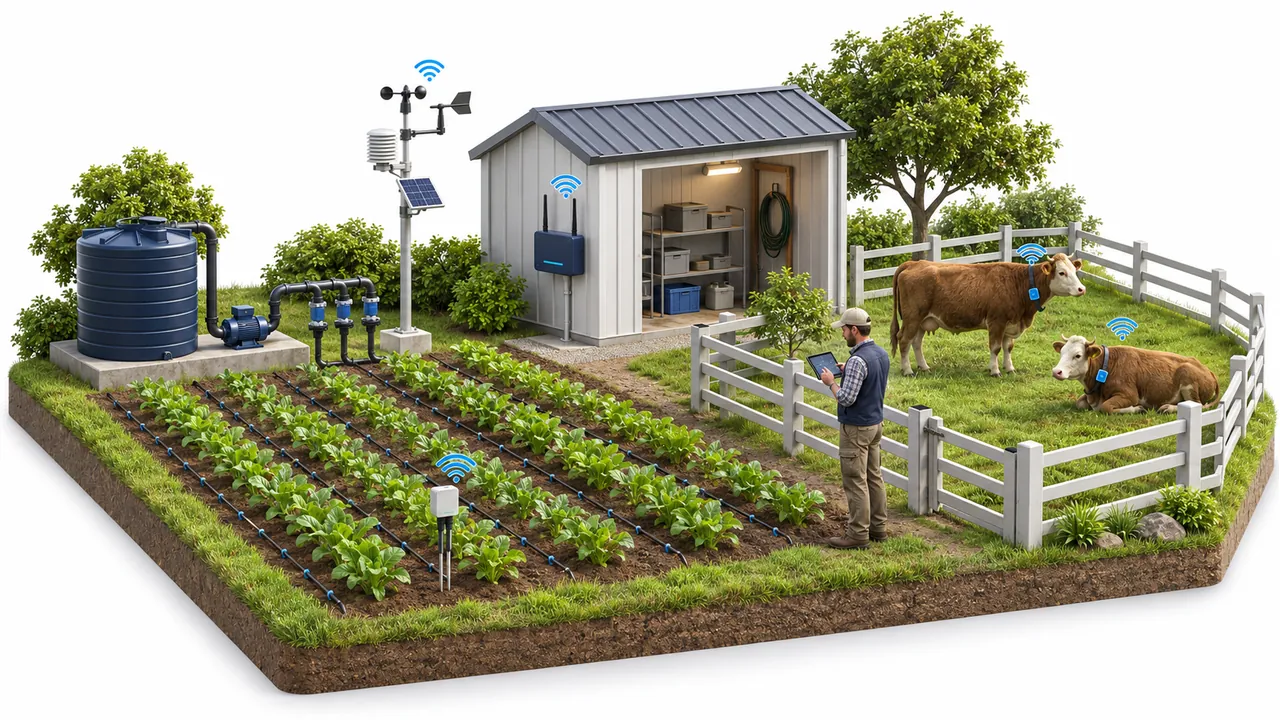
Relating soil moisture, rainfall and weather conditions by area helps the team assess irrigation needs using local evidence alongside agronomic criteria.
Sensors may report at different intervals and experience periods without coverage. Understanding these patterns helps distinguish expected behaviour from equipment that needs inspection.
Records from compatible identifiers and trackers can support presence and movement checks. Their history assists livestock management and field searches within the available coverage.
Tracking relies on the points that record each movement. When there is a gap, the condition of readers and trackers helps establish where information stopped arriving.
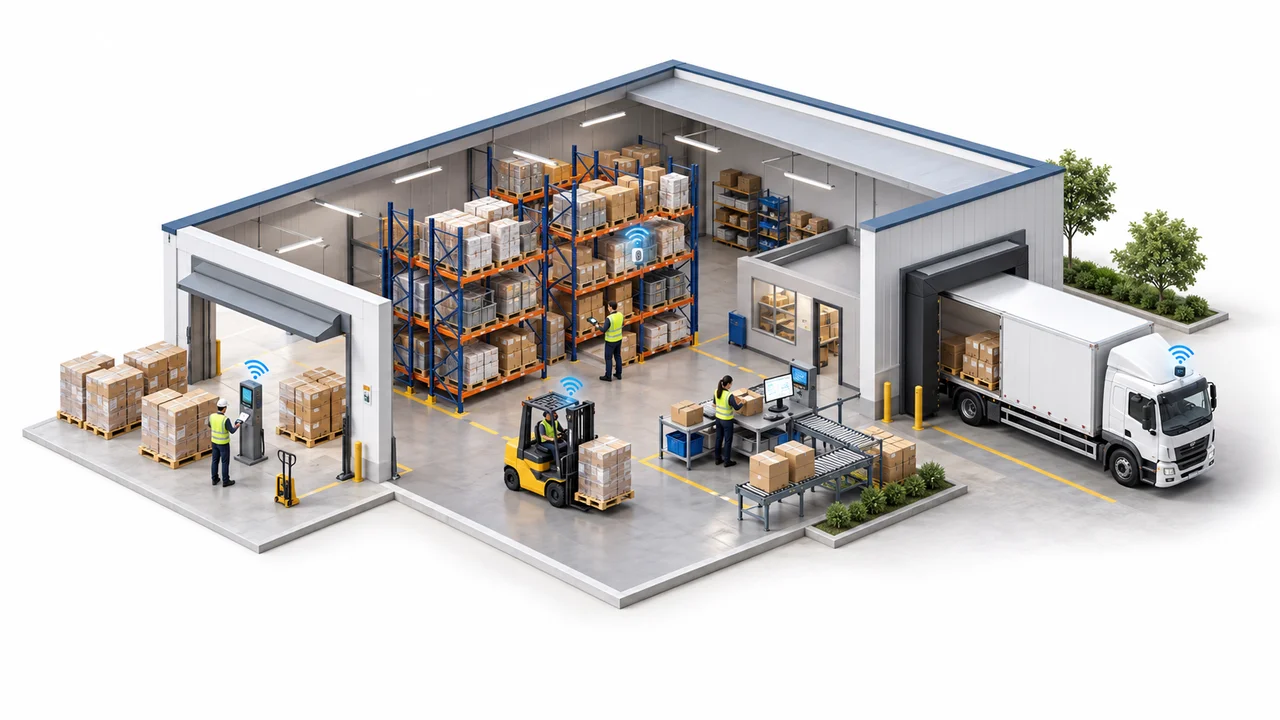
A recorded location or passage needs its time and source. This identifies the latest available evidence without treating it as a confirmed current position.
Missing records may be concentrated at a loading bay or gate. Comparing reader availability helps separate an infrastructure fault from a transport exception.
Sharing relevant events with the applications responsible for each stage preserves movement context. Teams investigate the same occurrence using consistent references.
Across distributed networks, a symptom seen at a terminal may originate elsewhere. Equipment information helps coordinate the investigation between support and the access-network team.
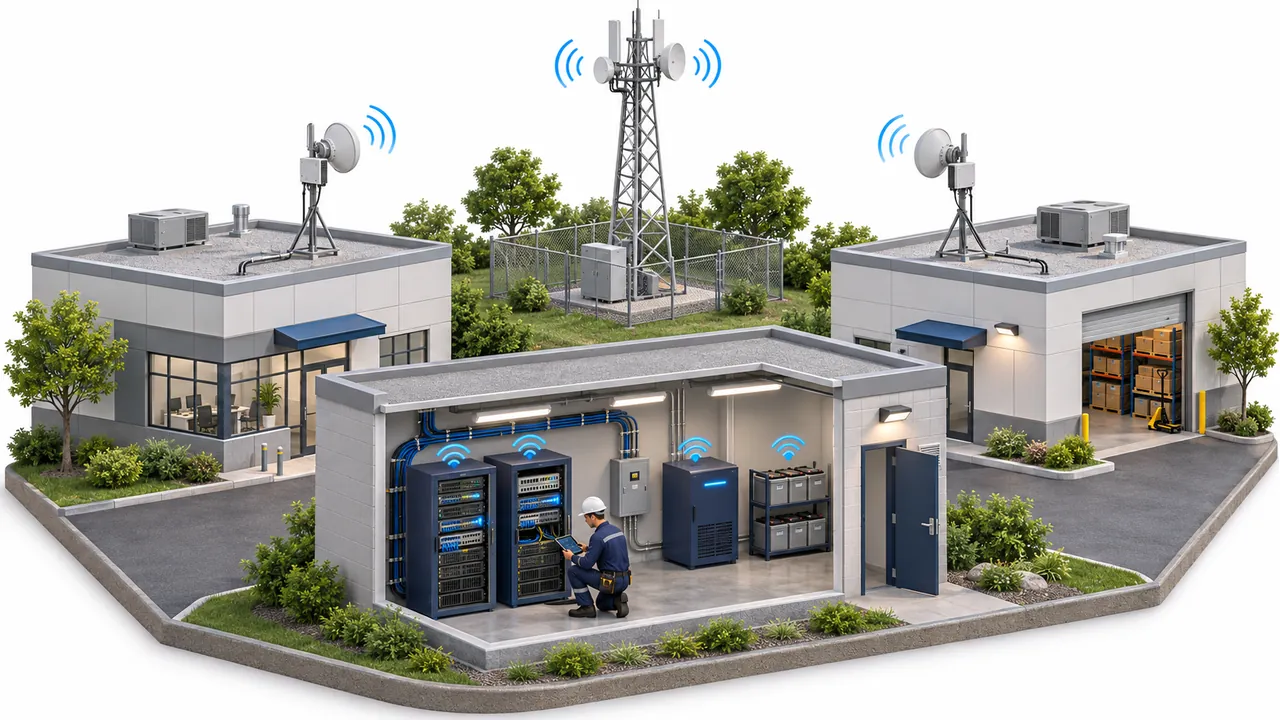
Supported status information, logs and diagnostics can clarify whether an incident is confined to one terminal or affects other devices connected to the same access point.
Differences between reported parameters and those defined for a site warrant investigation. Support can identify the discrepancy and assess the appropriate change for that equipment.
A new release may be intended for specific equipment groups. Identifying model, current version and distribution outcome helps the team follow maintenance across the telecom estate.
Urban infrastructure is spread across a territory and served by teams with different responsibilities. Consistent location and asset identification make each incident easier to assign.
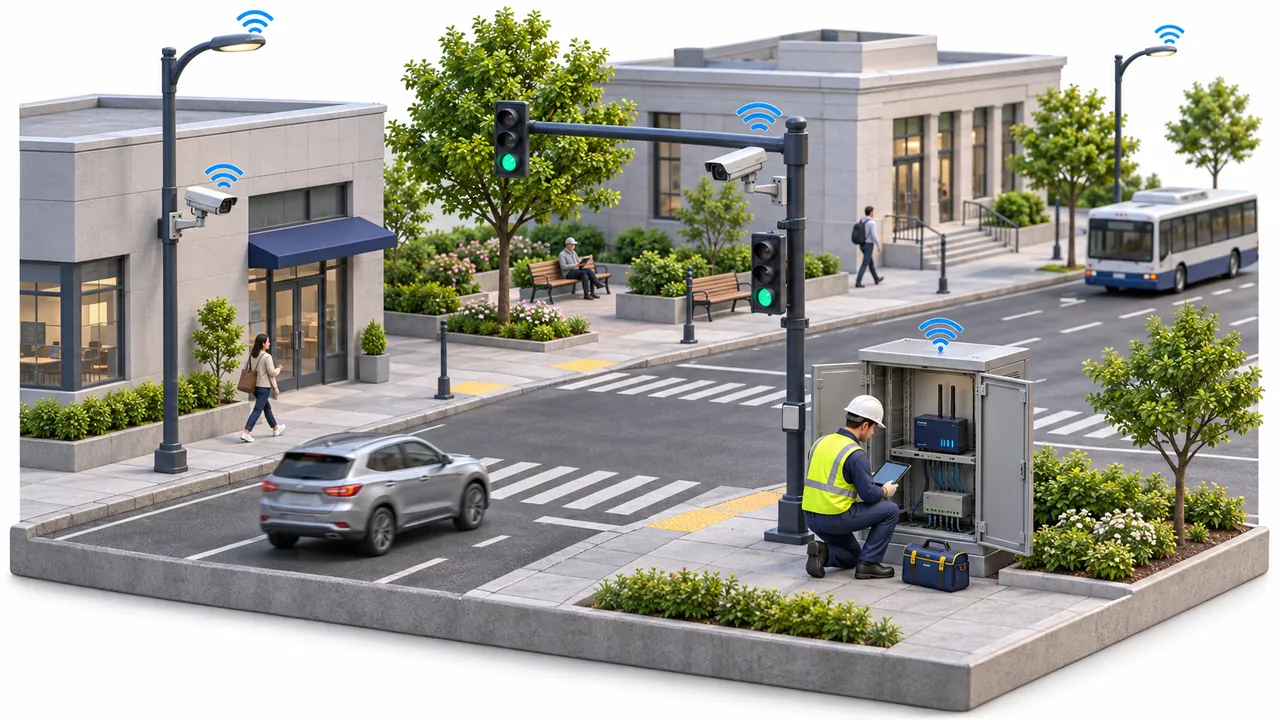
Associating equipment with its position and service area helps locate a lighting point, camera or another asset selected for the project.
A device may alternate between connected and disconnected periods. Its history reveals recurring patterns and supports investigation beyond a single status reading.
Field teams need the correct asset, location and observed behaviour. These references help form a service request for the team responsible for that infrastructure.
A toll plaza brings together equipment with different roles in each lane. Identifying the affected component and the time of the incident helps maintenance define the intervention.
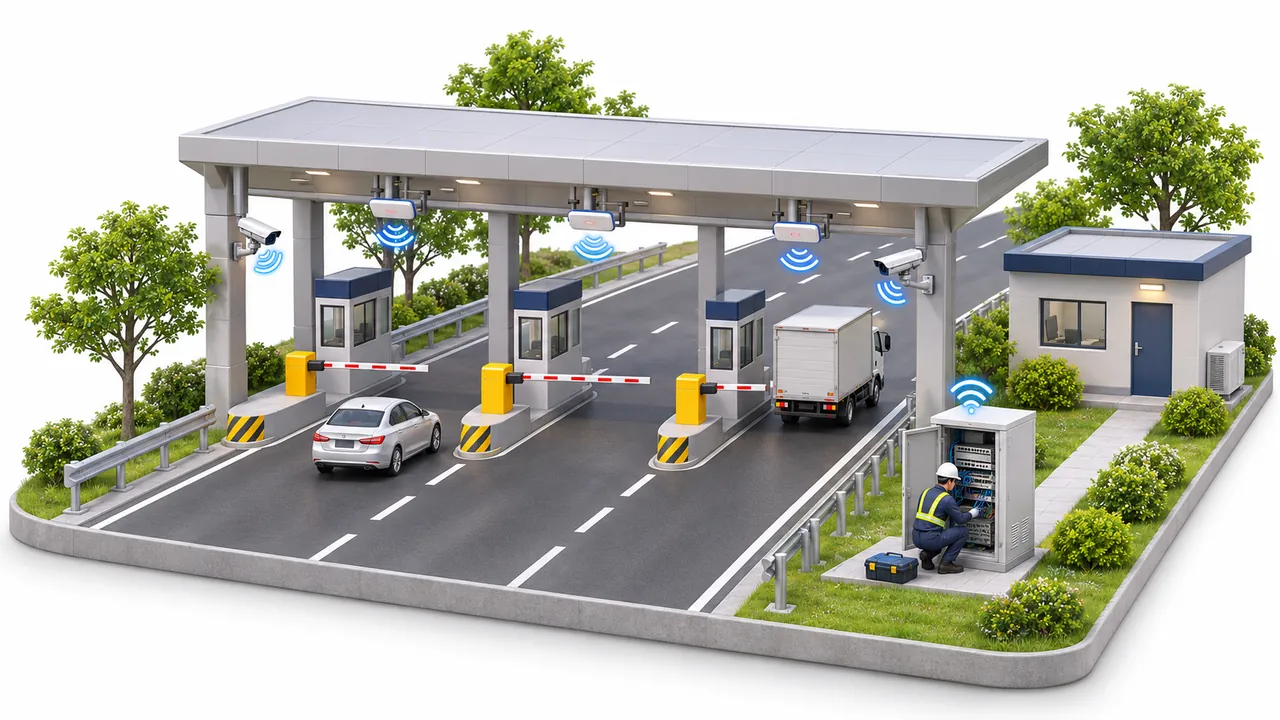
Compatible readers, cameras, controllers and gateways need to be associated with the lane they serve. Clear identification avoids confusion between similar devices within a plaza.
Changes to edge equipment need to account for the operator’s schedule. Preparing the scope and maintenance window helps organise tasks before lane access is required.
When a contractor provides maintenance, the incident history accompanies the request. Checks already completed help direct the work and inform the report back to the control room.
At refineries and processing facilities, instrument data needs to be interpreted in the context of its asset. Device management supports maintenance and the availability of information.
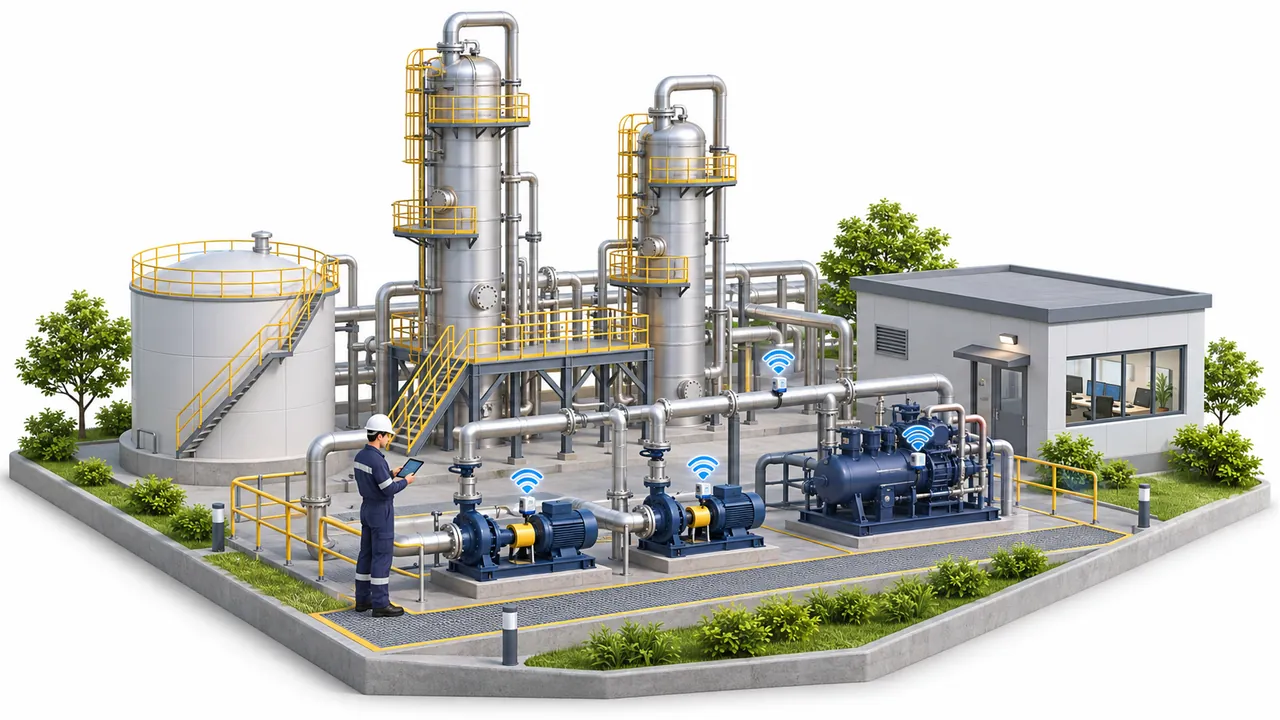
Available temperature, pressure and vibration readings can be linked to the monitored pump or compressor. Their source and time help the team assess each record.
A gap in a series may involve the instrument, gateway or connection. Component availability guides investigation of the path taken by the information.
Linking incidents, checks and equipment helps prepare tasks for a planned shutdown or visit. Planning accounts for site access and maintenance responsibilities.
YOUR APPLICATION
Choose a process, a location or a group of assets that needs attention. We can use that scope to examine the available data and the work you want to improve.